

A practical, step-by-step guide walking families through what to do immediately after a death, from the first hours through funeral planning and the estate tasks that follow.

A practical checklist of essential end-of-life legal, financial, and final wishes documents every family should organize to bring peace of mind.
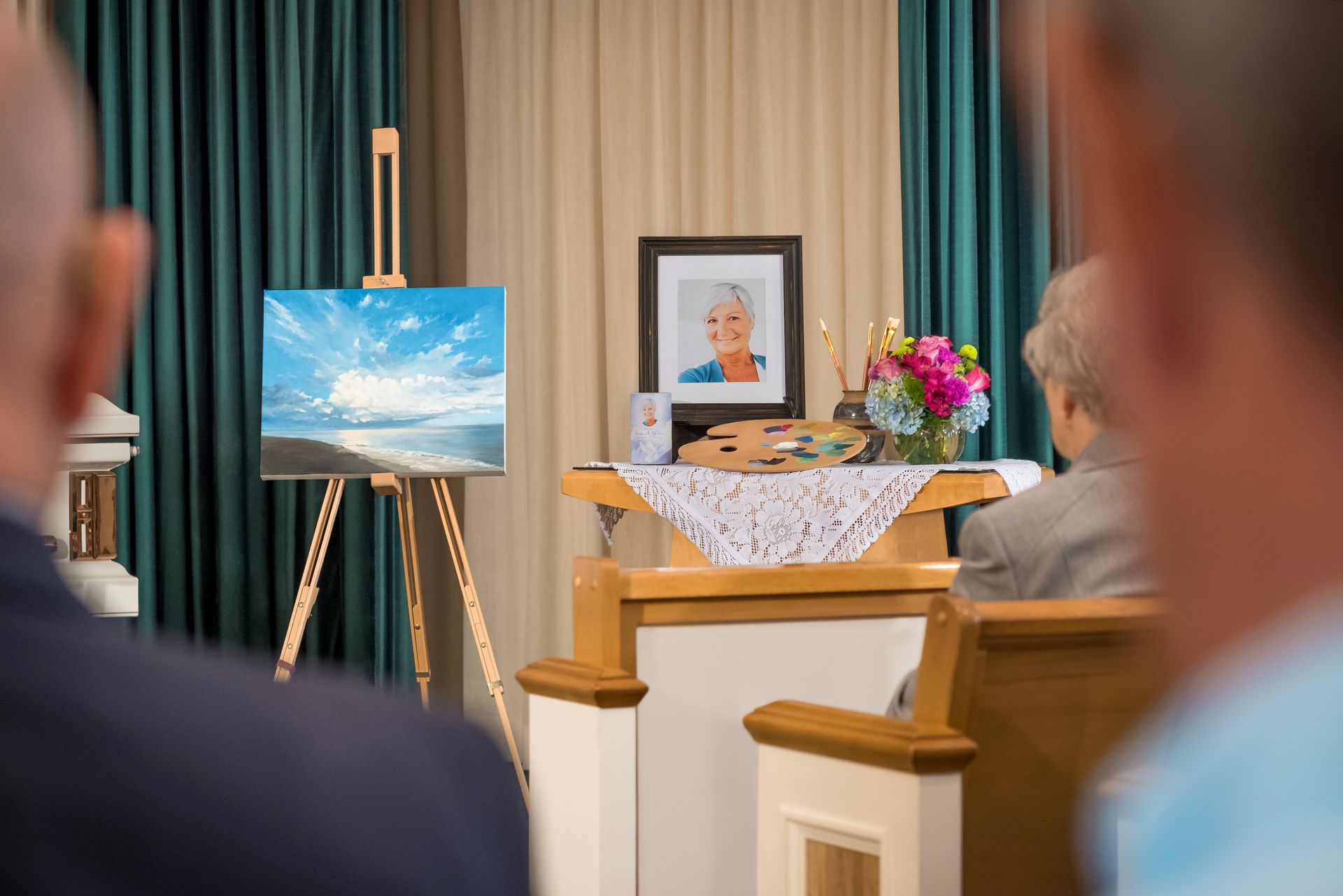
In recent years, the phrase “celebration of life” has become more common when families are planning services for a loved one. While many people have heard the term, there can still be confusion about what it truly means and how it differs from a traditional funeral. At its heart, a celebration of life is not about replacing tradition, but about offering a more flexible, personalized way to honor and remember a life. A celebration of life is a personalized service that focuses on honoring the unique story, personality, and legacy of the individual who has passed. While it can be held in a variety of locations, many families choose to gather in the comfort of a funeral home chapel, where they have both guidance and the ability to customize the experience. These services most often take place after cremation, which allows families more time to plan and create a meaningful tribute. However, every family’s preferences are different, and services can be arranged in whatever way feels most appropriate. No two celebrations of life are exactly the same, because no two lives are the same. One of the most meaningful aspects of a celebration of life is the ability to incorporate personal touches that reflect the life being honored, even within a chapel setting. Families may choose to include themed elements that represent a loved one’s passions, hobbies, or personality. This could be as simple as displaying favorite photos and memorabilia, or as unique as incorporating colors, music, or décor that reflect what they loved most in life. Memory tables, tribute videos, and customized music selections can all be seamlessly incorporated into a chapel service. Some families also invite guests to participate by sharing stories or bringing items that hold special meaning. This blend of personalization within a supportive, structured environment often provides both comfort and creativity during a difficult time. A celebration of life offers families the opportunity to gather in a familiar, supportive setting while creating a service that truly reflects their loved one. By combining the comfort of a chapel with the flexibility of personalization, it becomes a meaningful way to honor a life and share memories with those who matter most. There is no right or wrong way to plan a service. The most important thing is creating a space that feels genuine, supportive, and reflective of the person being remembered.

Attending a funeral or memorial service can stir up many emotions, and for some, one of the first questions that comes to mind is: What should I wear? While traditions around funeral attire have evolved, dressing appropriately remains a way to show respect—for the person who has passed and for their loved ones. Whether the service is formal, casual, religious, or a celebration of life, here are a few thoughtful guidelines to help you choose what to wear. 1. Stick to Neutral, Conservative Colors Black is the traditional color of mourning in many cultures, but it's not your only option. Other respectful colors include navy, gray, deep green, brown, and muted tones. Avoid bright colors, loud patterns, or anything that draws unnecessary attention unless the family has requested otherwise. Tip: Some services may invite guests to wear the deceased’s favorite color or dress casually—check the obituary or invitation for guidance. 2. Dress Modestly and Neatly Funeral services are somber occasions, so choose clothing that is clean, pressed, and conservative: For women, options include a modest dress, blouse with slacks, or a skirt paired with a cardigan or blazer. For men, a dress shirt with slacks, a suit, or a sport coat with a tie is appropriate. 3. Footwear Matters, Too Choose closed-toe shoes that are comfortable, especially if you'll be standing or walking at a graveside service. Simple dress shoes, loafers, or flats work well. Avoid athletic sneakers or flip-flops unless the service is explicitly casual or outdoors. 4. Consider the Location and Weather The setting of the service can influence your outfit: For outdoor or graveside services, wear weather-appropriate clothing and shoes that can handle grass or gravel. Bring an umbrella or coat if needed. Dark outerwear is always a safe choice. In a place of worship, modest attire is often expected regardless of the season. 5. Keep Accessories Simple This is not the time for flashy jewelry or bold accessories. Choose understated items that won’t distract from the purpose of the gathering. 6. What About Children? Children should also be dressed neatly and conservatively. Simple outfits in neutral colors are best. If unsure, dress them as if attending a formal family event or church service. 7. When in Doubt, Dress Up a Bit It’s always better to be slightly overdressed than too casual at a funeral. If you’re unsure about the dress code, err on the side of formality. A respectful appearance helps convey sympathy and support. What you wear to a funeral doesn’t need to be fancy or expensive—but it should reflect care, humility, and consideration. Remember: your presence is what matters most
Planning a funeral or cremation—whether for a loved one or preplanning for yourself—can feel overwhelming. There are many decisions to make, all while navigating the emotions that come with loss. But with a little preparation and guidance, the process can be meaningful, healing, and manageable. Whether you're planning ahead or handling arrangements after a loss, this guide walks you through the key steps of planning a funeral or cremation service. 1. Decide Between Burial and Cremation One of the first decisions to make is whether the individual will be buried or cremated. This choice often depends on personal, cultural, or religious preferences. Burial typically involves a casket, a graveside service, and a cemetery plot. Cremation may still include a funeral or memorial service and allows for more flexible options such as scattering, keeping an urn, or burying cremated remains. Some families choose direct cremation (without a service) or direct burial and hold a memorial at a later time. 2. Decide on the Type of Service There are many ways to honor a life, including: Traditional funeral service (usually with the body present) Memorial service (typically after cremation or burial) Celebration of life (a more personalized, informal event) Services can take place at the funeral home, a place of worship or outdoors. Choose what best reflects the person’s life and what brings comfort to those attending. 3. Select the Details You’ll want to personalize the service with details such as: Obituary and newspaper or online notices Casket or urn selection Music, readings, or spiritual elements Photos, videos, or displays of personal items Flowers or charitable donation options Who will speak, perform, or participate Many families also choose to include military honors, religious traditions, or cultural customs. 4. Consider Final Resting Place Options For burials: Choose a cemetery and purchase a plot if one isn’t already owned Decide on a headstone or grave marker For cremation: Decide whether ashes will be kept, scattered, buried, or placed in a niche Some families divide ashes among keepsake urns or jewelry 5. Handle Legal and Practical Matters Don’t forget the necessary paperwork: Obtain a death certificate (you may need multiple copies) Notify Social Security and financial institutions Handle wills, trusts, and estate matters If applicable, coordinate with veterans’ services or insurance providers Funeral directors can help guide you through most of this, but having documents organized in advance can ease the burden. 6. Consider Preplanning Preplanning your own arrangements relieves your loved ones of decision-making during an emotional time. You can: Specify burial or cremation preferences Choose the type of service and location Prepay or set aside funds Record personal touches you’d like included Preplanning ensures your wishes are followed—and it brings peace of mind to everyone involved. While planning a funeral or cremation is never easy, it is an opportunity to reflect, remember, and celebrate a life. Whether you’re planning for the future or coping with a loss today, take each step at your own pace, and don’t hesitate to reach out to professionals or trusted loved ones for support.